
Maryland city guide
Moving From California to Annapolis, MD
Maryland's state capital and a working waterfront city on the Chesapeake Bay, built around the US Naval Academy and a serious sailing culture, with a small historic core and a real flood risk.
Housing comparison
California versus Annapolis, side by side
- Median home value
- $725,800
- $550,000
- Median annual property tax
- $5,114
- not available
- Median monthly cost, owners with a mortgage
- $2,844
- not available
- Population
- 39.0 million (state)
- 40,720
Figures are US Census Bureau American Community Survey 2020 to 2024 5-Year Estimates for the city place. Property tax and monthly cost rows cover owner-occupied units with a mortgage, so they describe what current owners pay, not what a new buyer would pay at today's prices. California column is the statewide baseline used across this site.
Why Californians look at Annapolis
Annapolis is Maryland's state capital and one of the oldest cities in the country, with a compact colonial-era downtown of brick sidewalks and 18th-century buildings wrapped around a working harbor on the Chesapeake Bay. The US Naval Academy occupies a large waterfront campus at the edge of downtown and shapes the city's identity, its economy, and its traffic patterns during commissioning and graduation events.
It sits about 30 miles from both downtown Baltimore and downtown Washington, DC, connected by US Route 50 and Interstate 97, which makes it commutable to either in reasonable traffic conditions, though not a short hop at peak hours. The city is also the unofficial capital of Chesapeake Bay sailing, with a harbor, marinas, and a boat show culture that draws people who want water access as a lifestyle, not just a view.
For a California buyer, Annapolis offers something distinct: real historic density, a defined maritime identity, and state government as a stable employment base, layered onto Chesapeake Bay flood and storm exposure that is a genuine and increasing cost of ownership near the water.
Annapolis fits you if
- You want sailing, boating, or general waterfront living as a daily part of life, not an occasional vacation.
- You want a walkable colonial-era downtown with real historic architecture and a working harbor.
- You or a family member is affiliated with the Naval Academy or state government.
- You want commutable access to both Baltimore and DC without living in either.
Look elsewhere if
- You are flood-averse. Downtown Annapolis experiences regular tidal flooding, and it is getting more frequent, not less.
- You need a short commute at peak hours. Route 50 and the Bay Bridge approach back up badly on summer weekends and rush hours.
- You want a large, diverse private-sector job market in the city itself. Much of the local economy runs through government, the Academy, and tourism.
- You want new, spacious suburban construction. The historic core is dense and the surrounding land is largely built out or protected.
Housing in Annapolis
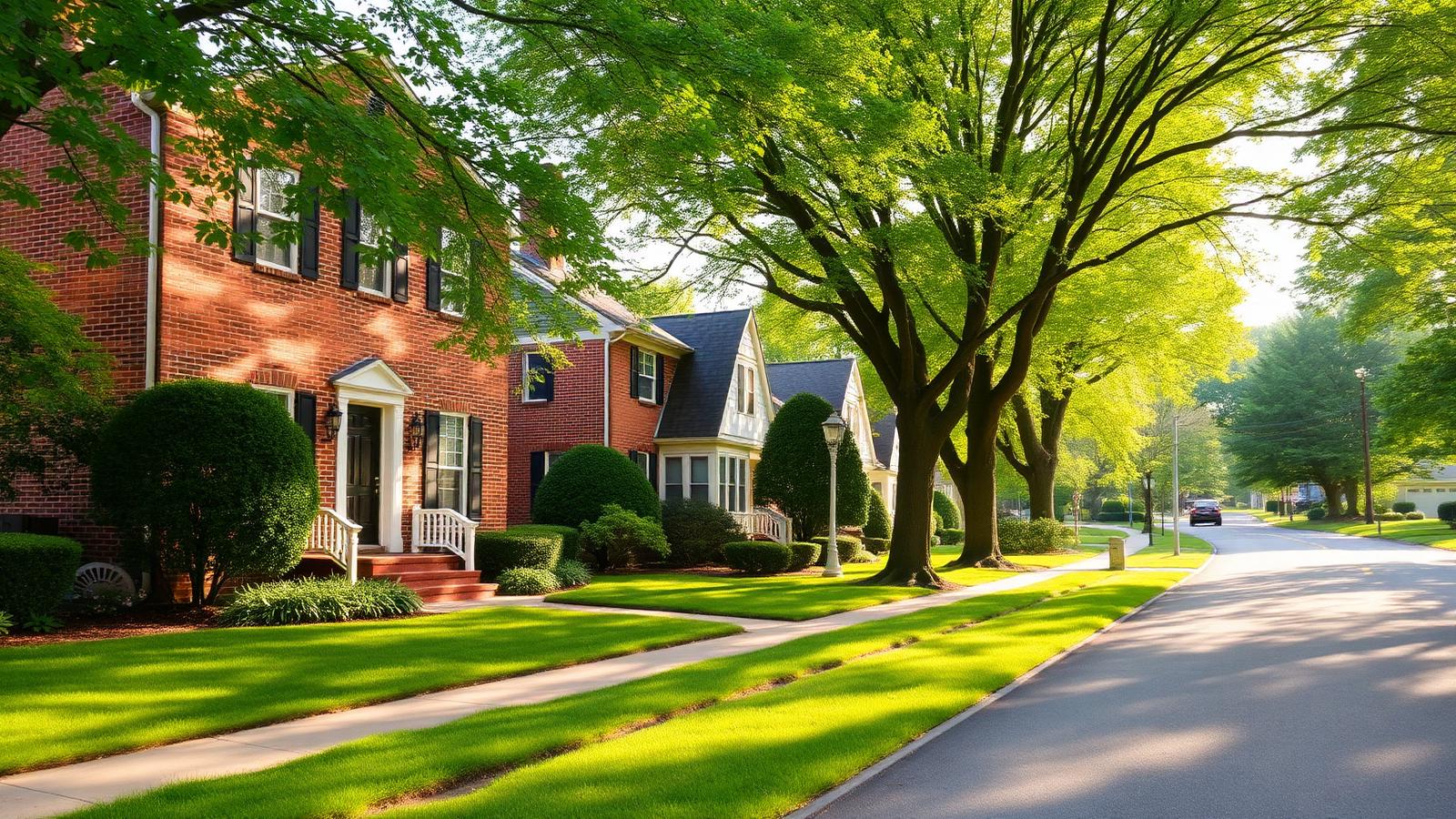
The historic downtown, known locally as Eastport and the historic district around the State House, holds colonial and Victorian rowhouses and cottages on small lots, commanding a substantial premium for proximity to the water and the Academy. Surrounding neighborhoods like Murray Hill and Eastport proper mix larger single-family homes with more modest mid-century houses.
The city's median home value runs roughly in the mid five hundred thousands, reflecting both the historic scarcity of downtown inventory and the waterfront premium found throughout Anne Arundel County. Flood insurance is a real and rising cost for many properties near the harbor and should be quoted before you make an offer, not after.
Inventory turns slowly in the historic core because so little new construction is possible there. Buyers who need more space typically look toward newer development farther from downtown, in areas like Parole or unincorporated Anne Arundel County.
Work and the local economy
State government is a major employer since Annapolis is Maryland's capital, and the US Naval Academy adds both direct federal employment and a substantial contractor and service economy that supports Academy operations and Navy families passing through.
Tourism and the maritime trades, sailing schools, boatyards, marinas, and the annual Annapolis boat shows, form the city's other signature industry, alongside healthcare through Anne Arundel Medical Center's Annapolis campus.
The city itself has a narrower private white-collar job market than the DC or Baltimore cores, so many residents commute toward one of those metros for specialized work while living in Annapolis for the lifestyle.
Climate, water, and flooding
Annapolis has a humid mid-Atlantic climate, with hot, humid summers regularly in the upper 80s and 90s and cold, damp winters that bring several snow or ice events most years. Being directly on the Chesapeake Bay moderates temperature swings somewhat compared with inland Maryland.
Tidal flooding in the historic downtown, particularly around City Dock, has become measurably more frequent over the past two decades and is a documented, ongoing municipal concern, not an occasional nuisance. Prospective buyers near the water should ask directly about a property's flood history and elevation.
Hurricane season brings occasional direct impacts from tropical storm remnants moving up the Bay, and nor'easters in winter can produce significant coastal flooding independent of any tropical system.
Getting around, care, and schools
- Commercial air
- Baltimore-Washington International Thurgood Marshall Airport is about 25 miles away and is the primary regional airport.
- Highways
- US Route 50 and US Route 301 connect to the Chesapeake Bay Bridge east and to Washington, DC west; Interstate 97 runs north to Baltimore.
- Hospital
- Luminis Health Anne Arundel Medical Center, in Annapolis.
- Public schools
- Anne Arundel County Public Schools.
- Higher education
- The United States Naval Academy and St. John's College, both in the city.
- Setting
- Colonial-era waterfront city on the Chesapeake Bay at the mouth of the Severn River.
The trade-offs
- Tidal flooding downtown is a documented, worsening problem, not a rare event, and it affects insurance costs and street access.
- Route 50 traffic toward the Bay Bridge and toward DC is genuinely bad at peak times and on summer weekends.
- The local private-sector job market is narrow outside of government, the Academy, tourism, and the maritime trades.
- Downtown housing inventory is limited and historic, so buyers wanting modern space usually look outside the core.
Other Maryland towns people compare
Frederick
A historic Frederick County seat about 45 miles from both Washington, DC and Baltimore, with a walkable downtown and a lower entry price than the DC suburbs closer in.
Columbia
James Rouse's mid-century planned community between Baltimore and DC, built around villages, lakes, and a strong public school reputation, with no traditional downtown core.
Rockville
The center of Maryland's I-270 biotech corridor, with Metro access into DC, a short commute to NIH in Bethesda, and some of the highest household incomes in the state.
Bel Air
The seat of Harford County north of Baltimore, offering lower entry prices and quieter neighborhoods than the closer-in Baltimore suburbs, with a longer commute to trade for it.
Statewide figures, tax detail, and the full Maryland picture are on the Maryland page. Compare property, income, and sales tax across all 49 destination states on Taxes, and see where Californians are actually moving on Stats.
Sources
- US Census Bureau, American Community Survey 2020 to 2024 5-Year Estimates, table B25077 (median home value), retrieved via Census Reporter, September 3, 2026.
- US Census Bureau, ACS 2020 to 2024 5-Year Estimates, table B25103 (median real estate taxes paid, owner-occupied units with a mortgage), retrieved September 3, 2026.
- US Census Bureau, ACS 2020 to 2024 5-Year Estimates, table B25088 (median selected monthly owner costs, owner-occupied units with a mortgage), retrieved September 3, 2026.
- US Census Bureau, ACS 2020 to 2024 5-Year Estimates, table B01003 (total population), retrieved September 3, 2026.
- Census Reporter, Annapolis, MD profile, censusreporter.org.
- City of Annapolis flooding and resilience information, annapolis.gov.
- United States Naval Academy public information, usna.edu.
See what your California equity buys in Annapolis
Four short questions. We match you with one local agent and apply a closing cost credit funded from our referral fee.
Start your Annapolis move
Four short questions. We use them to decide which agent fits your move, and to build your equity report.