
Tennessee city guide
Moving From California to Chattanooga, TN
A mid-size river city in southeast Tennessee known for municipal gigabit fiber and mountain access, popular with remote workers leaving expensive coastal markets.
Housing comparison
California versus Chattanooga, side by side
- Median home value
- $725,800
- $259,200
- Median annual property tax
- $5,114
- not available
- Median monthly cost, owners with a mortgage
- $2,844
- not available
- Population
- 39.0 million (state)
- 191,495
Figures are US Census Bureau American Community Survey 2020 to 2024 5-Year Estimates for the city place. Property tax and monthly cost rows cover owner-occupied units with a mortgage, so they describe what current owners pay, not what a new buyer would pay at today's prices. California column is the statewide baseline used across this site.
Why Californians look at Chattanooga
Chattanooga sits on the Tennessee River at the Georgia state line, ringed by Lookout Mountain, Signal Mountain, and Missionary Ridge. It has spent the last two decades rebuilding a downtown and riverfront that were largely written off in the 1990s, and the result is a genuinely walkable core with a working aquarium, a converted foundry district, and a growing restaurant scene.
The city is best known nationally for EPB, its municipally owned electric utility that built one of the country's first citywide gigabit fiber networks. That infrastructure, combined with relatively low costs, has made Chattanooga a frequent landing spot for remote workers who no longer need to live near a coastal employer.
For a California seller, the arithmetic is favorable. The median home value is a fraction of California's statewide median, Tennessee levies no state income tax, and the city is close enough to the mountains and to Nashville and Atlanta by highway to avoid feeling remote.
Chattanooga fits you if
- You work remotely and want fast, reliable municipal fiber internet without paying coastal prices for it.
- You want mountain biking, climbing, hiking, and river access inside city limits rather than a long drive away.
- You want a walkable, revitalized downtown in a metro under 200,000 residents.
- You are comfortable with a humid subtropical climate and want no state income tax.
Look elsewhere if
- You need a large, diverse white-collar job market. Chattanooga's private sector is real but not deep in every field.
- You want extensive nonstop flight options. Chattanooga's airport serves a limited set of hub cities.
- You need top-tier specialty medical care close to home for a serious condition; some cases still mean a trip to Nashville or Atlanta.
- You dislike humidity. Summers here are hot and sticky, not dry.
Housing in Chattanooga
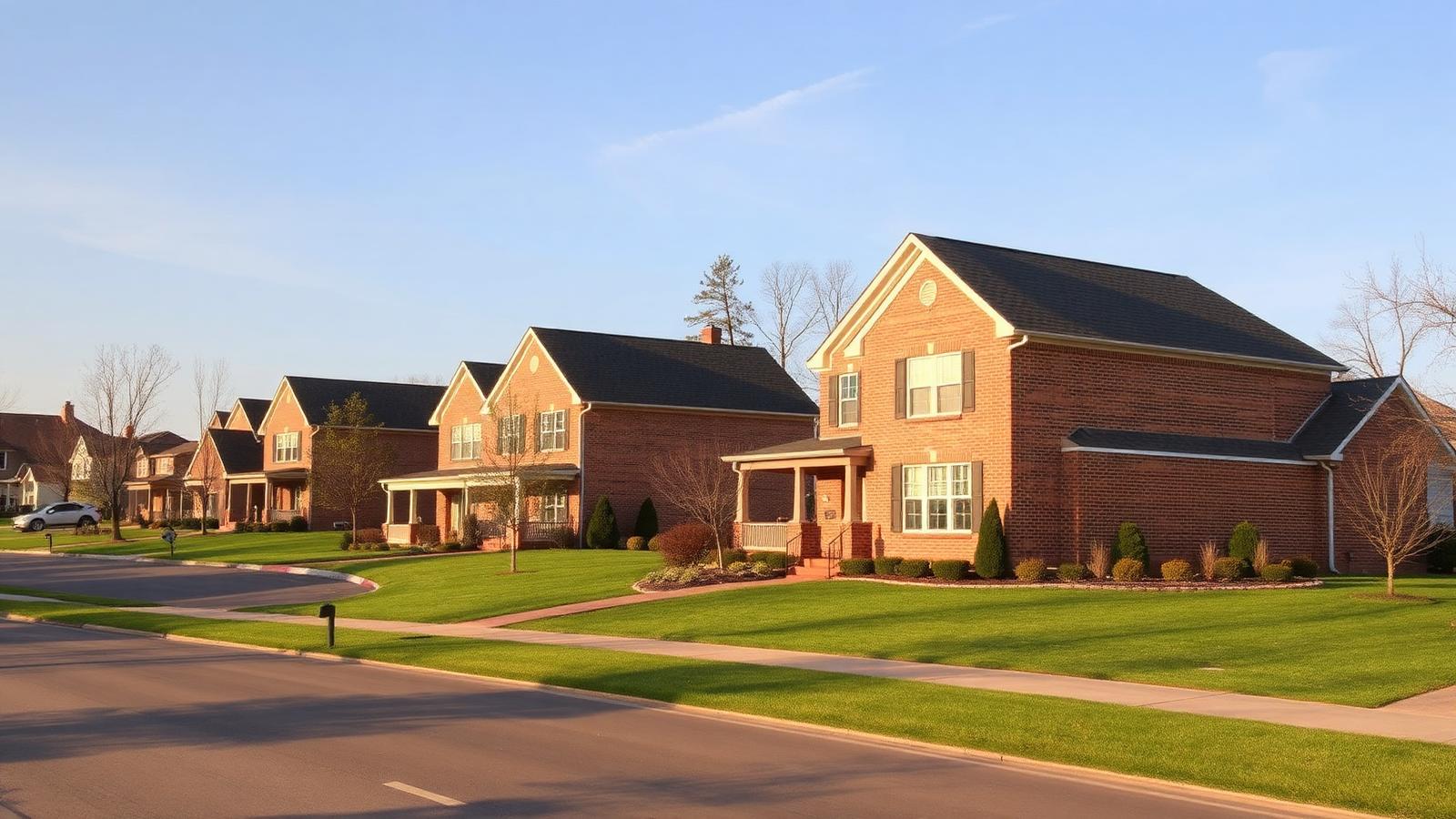
Housing ranges from historic bungalows and Victorian homes in North Chattanooga and Fort Wood, to mid-century ranch neighborhoods on the east side, to newer construction pushing out toward Ooltewah and Hixson. Homes with mountain or river views command a real premium.
The city's median home value runs around $259,200, well below the national and California medians, and Tennessee's lack of a state income tax means the recurring state and local burden on a home here is mostly property tax and local sales tax.
Demand has climbed noticeably over the past decade as remote workers and retirees have discovered the city, and desirable neighborhoods near downtown and the mountains now see real competition, though nothing resembling a California bidding war.
Work and the local economy
Chattanooga's economy blends manufacturing, healthcare, insurance, and logistics. Volkswagen operates a large assembly plant in the city, and the metro has attracted battery and electric-vehicle supply chain investment in recent years. Unum, a Fortune 500 insurer, is headquartered downtown.
Healthcare is anchored by Erlanger Health System and CHI Memorial, both regional referral systems, and higher education adds a stabilizing employer base through the University of Tennessee at Chattanooga.
The gigabit fiber network has made the city genuinely attractive to remote workers and a small but growing base of tech and startup activity, though Chattanooga is not a substitute for a major tech hub if your career depends on one.
Climate and setting
Chattanooga has a humid subtropical climate. Summers are hot and humid with frequent afternoon thunderstorms, and winters are mild with occasional snow or ice rather than sustained cold.
The surrounding mountains create a river valley setting that can trap haze and humidity in summer, but they also mean forested trails, waterfalls, and climbing areas are minutes from downtown rather than a weekend trip away.
Spring brings the same severe thunderstorm and tornado risk found across the Tennessee Valley, and flooding along the Tennessee River is an occasional concern in low-lying areas near downtown.
Getting around, care, and schools
- Commercial air
- Chattanooga Metropolitan Airport (CHA) offers limited direct service to major hubs; Nashville and Atlanta airports are roughly two hours by highway for broader options.
- Highways
- Interstate 24, Interstate 75, and Interstate 59 converge at Chattanooga.
- Hospital
- Erlanger Health System, the region's Level I trauma center, plus CHI Memorial.
- Public schools
- Hamilton County Schools.
- Higher education
- University of Tennessee at Chattanooga and Chattanooga State Community College.
- Setting
- River valley at roughly 680 feet elevation, ringed by mountains.
The trade-offs
- Air service is limited compared with Nashville or Atlanta, both a couple hours away by car for wider flight options.
- The local job market is real but not deep in every specialized field; check your industry specifically before committing.
- Summer humidity and afternoon storms are a daily fact of the season.
- Some serious specialty medical care still means a trip to Nashville or Atlanta.
Other Tennessee towns people compare
Franklin
A historic downtown south of Nashville with the state's strongest reputation for public schools, and the highest prices most higher-equity movers accept.
Knoxville
The state's cheapest real metro, anchored by the University of Tennessee, about 40 minutes from the Great Smoky Mountains.
Mount Juliet
A fast-growing suburb east of Nashville on Old Hickory Lake, with heavy new construction and a commuter rail line into downtown Nashville.
Maryville
A quieter Blount County alternative to Knoxville with strong local schools and close proximity to the Great Smoky Mountains National Park.
Johnson City
A northeast Tennessee value market anchored by a regional hospital system and a state university, part of the Tri-Cities region near the Blue Ridge and Smoky Mountains.
Statewide figures, tax detail, and the full Tennessee picture are on the Tennessee page. Compare property, income, and sales tax across all 49 destination states on Taxes, and see where Californians are actually moving on Stats.
Sources
- US Census Bureau, American Community Survey 2020 to 2024 5-Year Estimates, table B25077 (median home value), retrieved via Census Reporter, September 3, 2026.
- US Census Bureau, ACS 2020 to 2024 5-Year Estimates, table B25103 (median real estate taxes paid, owner-occupied units with a mortgage), retrieved September 3, 2026.
- US Census Bureau, ACS 2020 to 2024 5-Year Estimates, table B25088 (median selected monthly owner costs, owner-occupied units with a mortgage), retrieved September 3, 2026.
- US Census Bureau, ACS 2020 to 2024 5-Year Estimates, table B01003 (total population), retrieved September 3, 2026.
- Census Reporter, Chattanooga, TN place profile, censusreporter.org.
- CensusDepth, Chattanooga city Median Home Value Trend, censusdepth.com.
- EPB Chattanooga, municipal fiber network information, epb.com.
See what your California equity buys in Chattanooga
Four short questions. We match you with one local agent and apply a closing cost credit funded from our referral fee.
Start your Chattanooga move
Four short questions. We use them to decide which agent fits your move, and to build your equity report.