
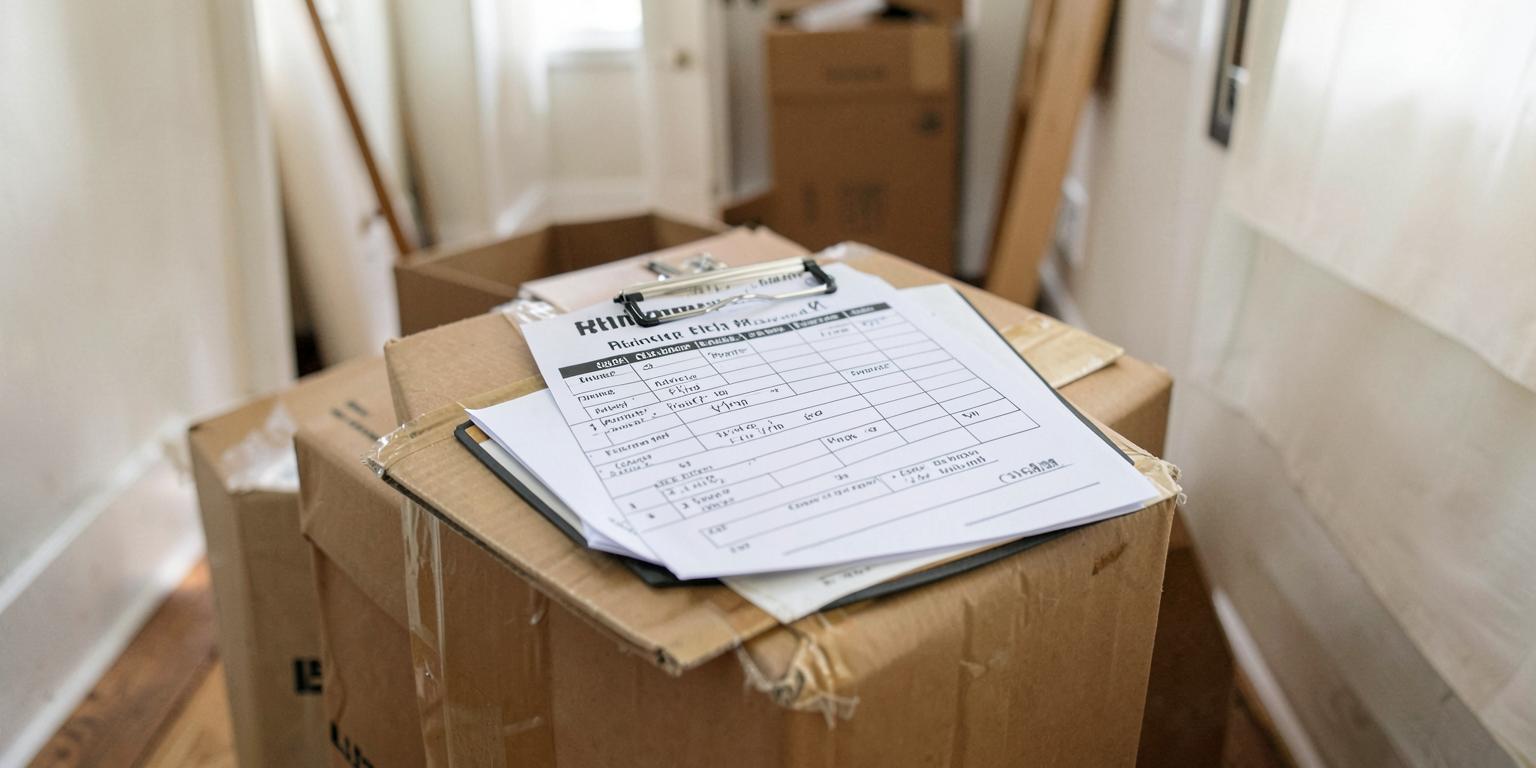
Free resource
The Out-of-State Moving Checklist
Five phases, from the first planning month through your first week in the new state. Written for renters and homeowners both. Items that only apply to one are labeled. No form, no email required, nothing hidden behind a download.
PDF, 314 KB
Ten to twelve weeks out
Decide and price it
Almost everything expensive about a move is decided in this phase, before anything is packed.
- Pick the destination metro, not just the state. Costs, taxes, and insurance vary more within a state than between neighboring ones.
- OwnersGet an hour with a CPA about capital gains on the sale of your primary residence.
- Confirm remote work approval in writing, naming the new state. Payroll and tax withholding both change.
- RentersRead your lease for the notice period and the early termination clause. Note the exact date notice is due.
- OwnersGet a realistic value on your current home and understand what selling costs will take off the top.
- Collect quotes from three long distance movers and one container company. Ask each what triggers a re-weigh or an added fee.
- Price destination home insurance before you commit to a specific area. In some markets availability, not price, is the problem.
- Book a scouting trip in the destination's hardest season if you have not already been in one.
Eight weeks out
Lock the logistics
Dates get expensive to change after this point, so pin them down now.
- Book the mover or reserve the container. Summer and end-of-month dates go first.
- RentersGive written notice to your landlord and photograph the unit's condition the same day.
- OwnersChoose a listing agent and set a list date that works backward from your target arrival.
- Start school enrollment. Districts want proof of address, immunization records, and transcripts, and the lead time is longer than people expect.
- Request medical, dental, and veterinary records for everyone in the household, including pets.
- Decide what is not coming. Anything you would not pay to ship twice should be sold or donated now, not on the last weekend.
- If you are shipping a vehicle, book the carrier and check the destination state's registration and emissions deadline after arrival.
Four weeks out
Accounts, addresses, and paperwork
The administrative layer. Boring, and the source of most first-month headaches.
- File a USPS change of address with a forwarding start date, and keep the confirmation.
- Update the address on banks, credit cards, brokerage accounts, insurance, employer payroll, and the IRS.
- Schedule utility shutoff at the old address for the day after you leave, not the day you leave.
- Schedule utility connection at the new address for the day before you arrive.
- Transfer or requote auto insurance for the new state. Rates change and coverage minimums differ.
- Confirm your health plan has in-network providers where you are going, and line up a primary care appointment if you take regular prescriptions.
- Order moving supplies and start packing rooms you do not use daily.
The final week
Pack, verify, and document
The goal this week is that nothing important is in a box you cannot identify.
- Pack a first-night bag per person plus a single box with tools, chargers, medications, paper towels, and toilet paper. Load it last.
- Carry passports, birth certificates, titles, closing documents, and tax records with you. They do not go on the truck.
- Photograph the back of every electronic device before you unplug it.
- Photograph high value items and note serial numbers before they are wrapped, for any damage claim later.
- Confirm the mover's arrival window, the driver's contact number, and the delivery spread in writing. A multi-day delivery spread is normal on a long haul.
- RentersDo the final walkthrough and get the deposit inspection scheduled with your landlord in writing.
- OwnersConfirm closing details, wiring instructions by phone with a number you looked up yourself, and key handoff.
- Defrost the refrigerator and empty the propane and fuel from anything with a small engine. Movers will not take them.
Your first week there
Land properly
Deadlines start running the day you arrive in most states. These are the ones with clocks on them.
- Inspect the delivery against the inventory sheet before you sign it. Damage noted after signing is much harder to claim.
- Apply for your new driver's license and register your vehicles. Most states set a deadline measured in weeks after establishing residency.
- Register to vote at the new address.
- Establish residency records: lease or deed, utility accounts, and a local bank account. This matters if California ever questions the date you left.
- Find the nearest urgent care and pharmacy, and transfer prescriptions.
- Locate the water shutoff, electrical panel, and, in tornado or hurricane country, the safe room or evacuation route.
- Keep every moving related receipt in one folder. Some are deductible depending on your situation, and your CPA will ask.
Two things people skip
The first is the tax conversation before listing. Owners who talk to a CPA after the sale closes have already lost whatever options existed. The second is the destination visit in a hard season, which is the cheapest possible insurance against a second move.
If you are renting rather than buying, the mover and container comparisons will be more useful to you than anything else on this site.
Take the checklist with you
The same checklist in a single printable PDF. Use it on your phone, email it to your spouse, or print it and check items off as you go.
PDF, 314 KB