
Connecticut city guide
Moving From California to Stamford, CT
Connecticut's most urban city, with a genuine downtown, corporate headquarters, a 45-minute express train to Manhattan, and the state's most active rental market.
Housing comparison
California versus Stamford, side by side
- Median home value
- $725,800
- not available
- Median annual property tax
- $5,114
- not available
- Median monthly cost, owners with a mortgage
- $2,844
- not available
- Population
- 39.0 million (state)
- 139,112
Figures are US Census Bureau American Community Survey 2020 to 2024 5-Year Estimates for the city place. Property tax and monthly cost rows cover owner-occupied units with a mortgage, so they describe what current owners pay, not what a new buyer would pay at today's prices. California column is the statewide baseline used across this site.
Why Californians look at Stamford
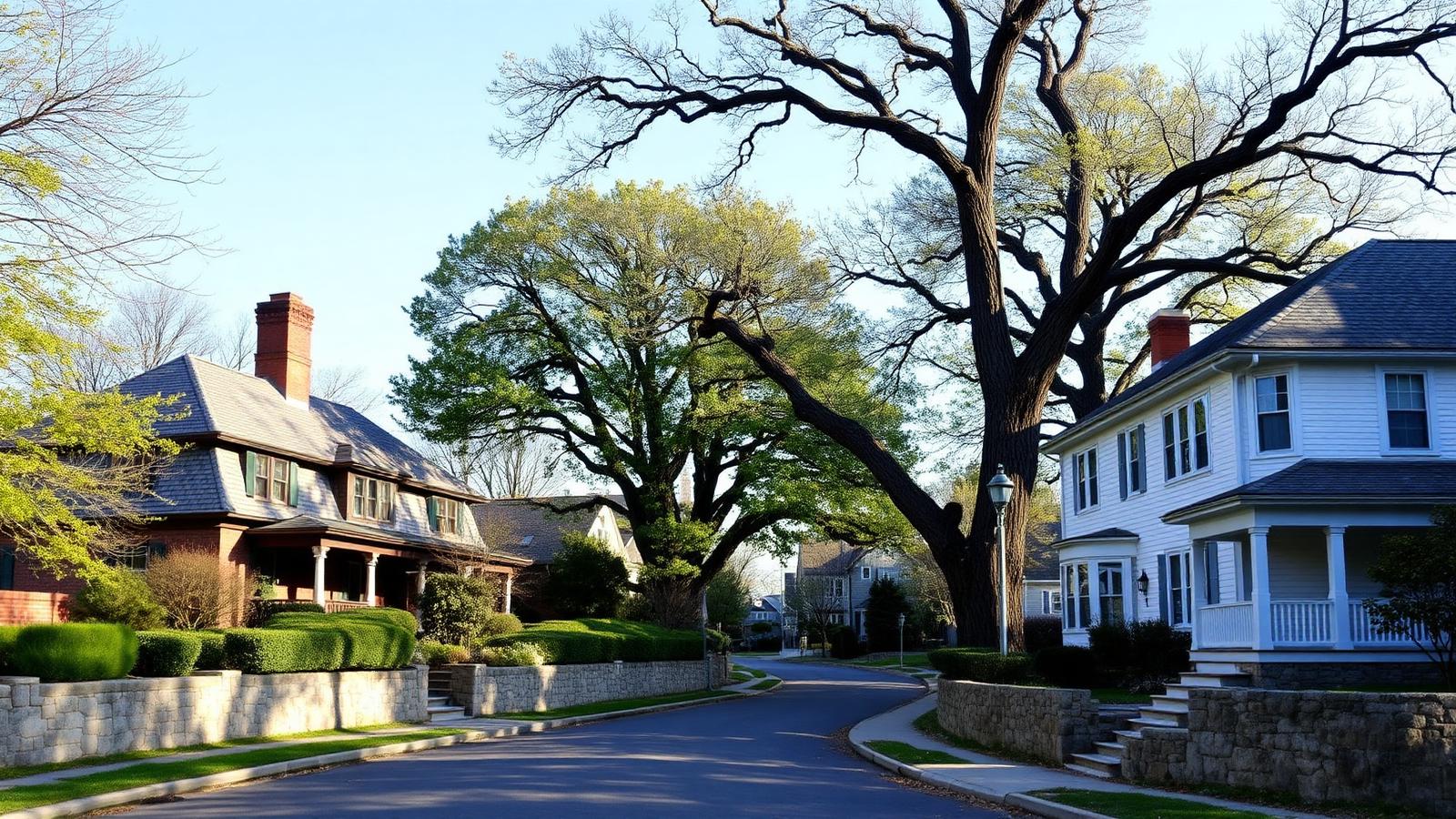
Stamford is the outlier among Fairfield County's commuter towns because it actually has a downtown. High-rise apartments, a real restaurant and bar scene, an urban Metro-North station, and a skyline set it apart from the colonial-and-village character of Fairfield, Guilford, or Darien.
That density exists because Stamford has been a genuine corporate headquarters city for decades, home to major financial services and consumer companies, which gives it a daytime working population well beyond its residents and supports the office towers and apartment high-rises downtown.
For a Californian used to city living, Stamford is the closest thing Connecticut offers to an urban lifestyle with a short train ride into a bigger city, and it comes with rental market depth that the smaller towns around it simply do not have.
Stamford fits you if
- You want an actual downtown with apartments, restaurants, and nightlife rather than a purely residential suburb.
- You want the fastest express Metro-North service to Grand Central in the region, around 45 minutes on the best trains.
- You are renting rather than buying and want the deepest, most liquid rental market in Connecticut.
- Your employer, or the job you are seeking, is a corporate headquarters function based in Stamford itself.
Look elsewhere if
- You want a quiet, low-density small town. Stamford's downtown is genuinely urban, with traffic and density to match.
- You want the lowest possible cost of living. Stamford is priced at a premium in line with its access to Manhattan.
- You want beach-town character as your primary identity. Stamford has a working waterfront and marinas, not a village beach scene.
- You need low property taxes. Connecticut's reassessment-driven system applies here as everywhere else in the state.
Housing in Stamford
Downtown and the South End offer high-rise and mid-rise rental and condo living, much of it built in the last two decades. Away from downtown, neighborhoods like Springdale, Newfield, and the North Stamford hills offer single-family homes ranging from modest to large estate properties.
Because Stamford has the largest rental stock in the county, it is realistic to move here and rent while you learn the area before committing to a purchase, an option that is much thinner in the smaller surrounding towns.
Connecticut's property tax structure, based on the town mill rate against periodically reassessed value, applies here as elsewhere in the state, and Stamford's rate and valuations should be checked against your specific neighborhood rather than assumed from a town-wide average.
Work and the local economy
Stamford has long been a corporate headquarters hub, historically home to major financial services, insurance, and consumer products companies, and the downtown office market remains one of the most substantial in Connecticut outside Hartford.
Beyond the headquarters economy, Stamford Hospital and a broad base of professional and financial services firms provide local employment that does not require a commute to New York.
This is the one city in this guide where a genuine local white-collar job market exists independent of a Manhattan commute, which matters if you want Connecticut living without New York hours.
Climate on Long Island Sound
Stamford's coastal position keeps summers warm and humid, generally in the low to mid eighties, with the water tempering the immediate shoreline slightly more than inland Fairfield County.
Winters bring real cold and snow, with January highs typically in the mid thirties, and downtown's density means slush and plowed snowbanks are a normal winter feature of city living here.
Coastal storms occasionally affect the South End and waterfront neighborhoods with flooding, a factor worth checking specifically for any property near the harbor.
Getting around, care, and schools
- Commercial air
- No airport in the city. Westchester County Airport is about 10 miles away, and LaGuardia and JFK are both roughly 35 to 45 miles away.
- Rail
- Metro-North New Haven Line express trains reach Grand Central in about 45 minutes; Amtrak also stops in Stamford.
- Highways
- Interstate 95 and the Merritt Parkway both run through the city.
- Hospital
- Stamford Hospital, part of Nuvance Health, is based downtown.
- Public schools
- Stamford Public Schools, the largest district among the cities in this guide.
- Higher education
- University of Connecticut Stamford campus and Sacred Heart University's Stamford campus are both in the city.
- Setting
- Urban Fairfield County city on Long Island Sound, about 40 miles from Manhattan.
The trade-offs
- Downtown living here is genuinely urban, with traffic, density, and a cost premium to match, not the small-town character of the rest of the county.
- Property taxes follow Connecticut's reassessment-driven structure with no cap tied to your purchase price.
- Coastal flooding is a real consideration for waterfront and South End properties during major storms.
- The corporate job base, while real, has consolidated over the years, so do not assume the headquarters landscape of decades past is unchanged.
Other Connecticut towns people compare
Fairfield
A beach town on Long Island Sound with express Metro-North service into Grand Central, strong public schools, and prices that track the rest of lower Fairfield County.
West Hartford
A walkable Hartford suburb with a genuine town center, excellent public schools, and the best value among Connecticut's top-rated districts.
Guilford
A Long Island Sound shoreline town built around a historic green, quieter and more affordable than Fairfield County but further from Manhattan.
Glastonbury
A family-oriented Hartford suburb east of the Connecticut River, with large lots, consistently high school ratings, and a quieter pace than the river's west bank.
Statewide figures, tax detail, and the full Connecticut picture are on the Connecticut page. Compare property, income, and sales tax across all 49 destination states on Taxes, and see where Californians are actually moving on Stats.
Sources
- US Census Bureau, American Community Survey 2020 to 2024 5-Year Estimates, table B25077 (median home value), retrieved via Census Reporter, September 3, 2026.
- US Census Bureau, ACS 2020 to 2024 5-Year Estimates, table B25103 (median real estate taxes paid, owner-occupied units with a mortgage), retrieved September 3, 2026.
- US Census Bureau, ACS 2020 to 2024 5-Year Estimates, table B25088 (median selected monthly owner costs, owner-occupied units with a mortgage), retrieved September 3, 2026.
- US Census Bureau, ACS 2020 to 2024 5-Year Estimates, table B01003 (total population), retrieved September 3, 2026.
- Census Reporter, Stamford, CT profile, censusreporter.org.
- Metropolitan Transportation Authority, Metro-North Railroad New Haven Line schedules, mta.info.
- City of Stamford, Connecticut official website, stamfordct.gov.
See what your California equity buys in Stamford
Four short questions. We match you with one local agent and apply a closing cost credit funded from our referral fee.
Start your Stamford move
Four short questions. We use them to decide which agent fits your move, and to build your equity report.